
Introducing eCommerce: a modern guide to going digital
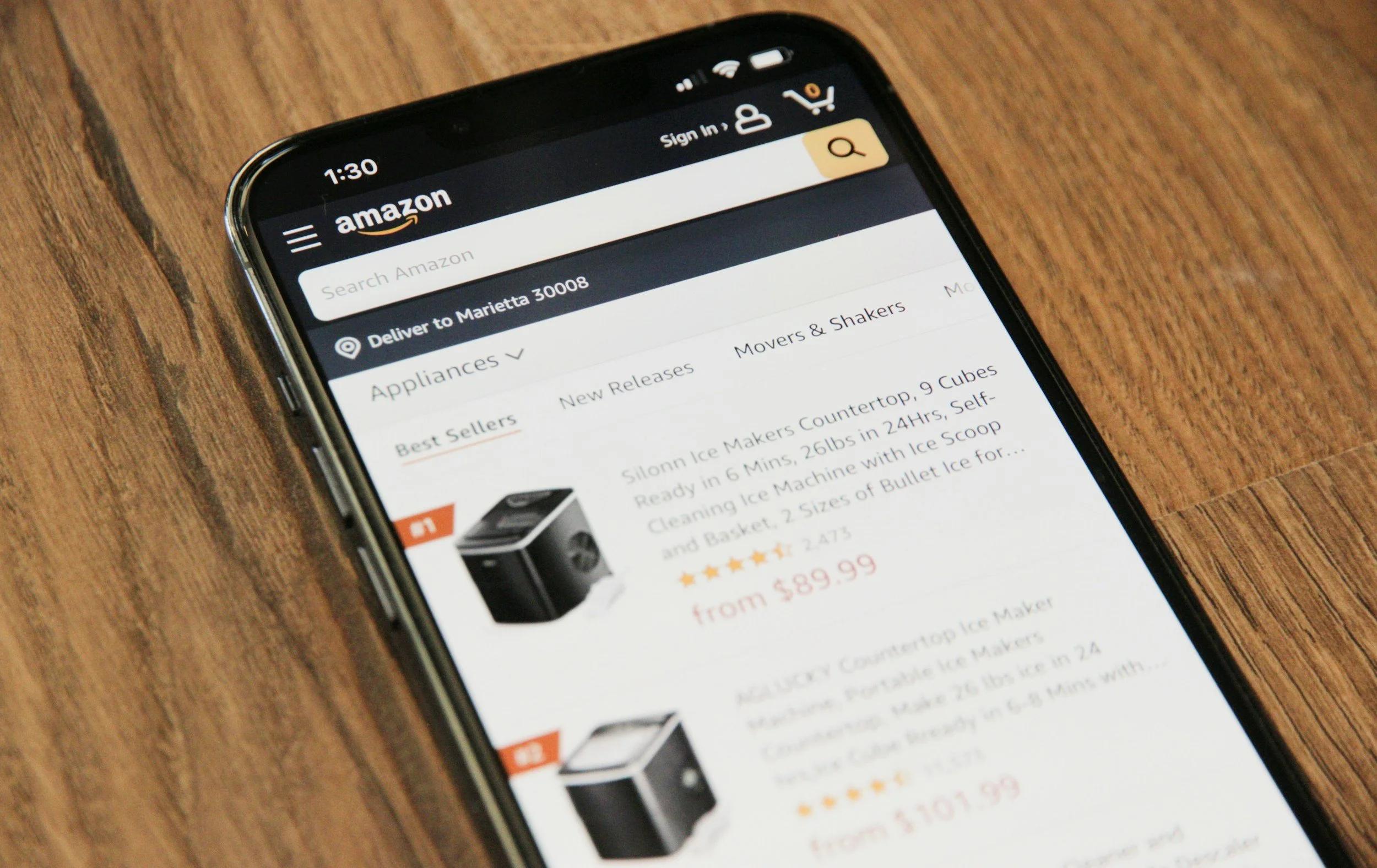
eCommerce isn’t just an option anymore – it's a fundamental part of how businesses reach and serve their customers. Whether you’re a B2B supplier, a manufacturer, or a retail brand, your buyers expect to find and purchase products online quickly, easily, and on their own schedule.
If you’re thinking about launching an eCommerce platform, or simply want to make sure you’re doing it right, this guide walks you through the essentials of going digital with purpose and clarity.
Why Now? The Case for eCommerce
Consumer behaviour has shifted. Online shopping is no longer a trend, it’s the standard. This shift isn’t just about convenience, buyers now have more access to product information, price transparency, and alternatives than ever before. That means your digital storefront must be more than just functional, it needs to compete.
An eCommerce platform opens the door to new customers, markets, and sales channels. It also brings in new operational demands, competitive dynamics, and expectations around speed and experience. This is why it’s so important to launch with intention.
Start with a Clear Purpose
Before you pick a platform or design a homepage, consider stepping back and asking: Why are we doing this?
Are you trying to give existing customers an easier way to order? Are you expanding into new regions? Launch a direct-to-consumer channel? Your goals should shape every part of your eCommerce strategy.
Clarifying the “why” also helps you measure success. Are you aiming for revenue growth, higher customer retention, or improved operational efficiency? Defining your goals upfront allows you to track ROI and evolve your strategy over time.
Map the Customer eCommerce Journey
Your eCommerce site is more than a sales portal, it’s your digital storefront. It must be intuitive, seamless and on-brand.
Start by mapping how customers will discover your site. Will they come through search, email campaigns, paid ads, or social media? Then, focus on what they’ll expect once they land. This could be a fast search bar, clean navigation, personalized recommendations, or clear pricing.
The checkout experience also matters. Offering flexible payment options, transparent shipping options and simple account tools, such as order history or favourites, can significantly impact conversion and loyalty.
And don’t forget post-sales communication! Order confirmations, delivery updates, and feedback opportunities all help build trust.
Social Media as a Sales Channel
Social media is no longer just for marketing, it’s quickly becoming one of the most powerful eCommerce channels available. Platforms like Instagram and TikTok have transformed product discovery into a seamless shopping experience. Whether through shoppable posts, influencer partnerships, or in-app checkouts, users can move from inspiration to purchase without ever leaving the platform.
An effective eCommerce strategy today doesn’t stop at your website. It includes social media strategy and content creation that brings traffic to both your online, and physical, storefronts.
Modernize Your Operations to Match
Launching an eCommerce channel is more than just a digital project, it’s also an operational one. You’ll need to ensure your internal processes are ready to support online orders at scale. This means reviewing how your inventory is managed, how orders are fulfilled, how product data is maintained, and how customer support is delivered.
Also, consider how your internal teams are structured. Who owns what? How are sales and marketing aligned? Does customer service have visibility into online orders? These questions matter just as much as the tech stack.
Lastly, be prepared for new dynamics. eCommerce may require new packaging, changes to pricing structure, or updated supplier agreements. Don’t overlook the impact on finance, compliance, or even how commissions are structured.
Choosing the Right Platform for Your Needs
Once the eCommerce needs are clear, it’s time to find a solution. There are a myriad of eCommerce products ranging in complexity and purpose. Shopify, SquareSpace, or Big Commerce offer out-of-the-box solutions that are fast to launch and easy to manage.
For businesses with more advanced needs such as global operations, large product variants, multi-channel selling, or complex B2B pricing models, more robust platforms like Magneto or Insite might be a better fit.
The key is to choose a solution that balances flexibility with scalability. Don’t overbuild, but don’t box yourself in either. Think about where your business is today, and where you want it to be in three to five years.
Final Thoughts
eCommerce can unlock massive growth, but only if it’s grounded in a clear strategy, supported by the right tools, and aligned with your customer journey. It’s not just about going online, it’s about building a digital experience that reflects who you are, what your customers need, and how you plan to grow.
In today’s world, your storefront extends far beyond your physical locations. It reaches your website, your social media channels, and wherever your customers spend their time.
With the right foundation, your eCommerce platform can become more than a sales channel, it can become a strategic advantage.
Articles



Ready to build
something that works?
We'll help you design the future, select the best-fit systems, and take it to completion.
.png)
.png)
Who we help
Location

Suite 200, 1008 Homer St
Vancouver, BC V6B 0A3
Canada
© 2026 Meira Consulting. All rights reserved.
Privacy policyTerms of serviceSite built with AI by Reve

